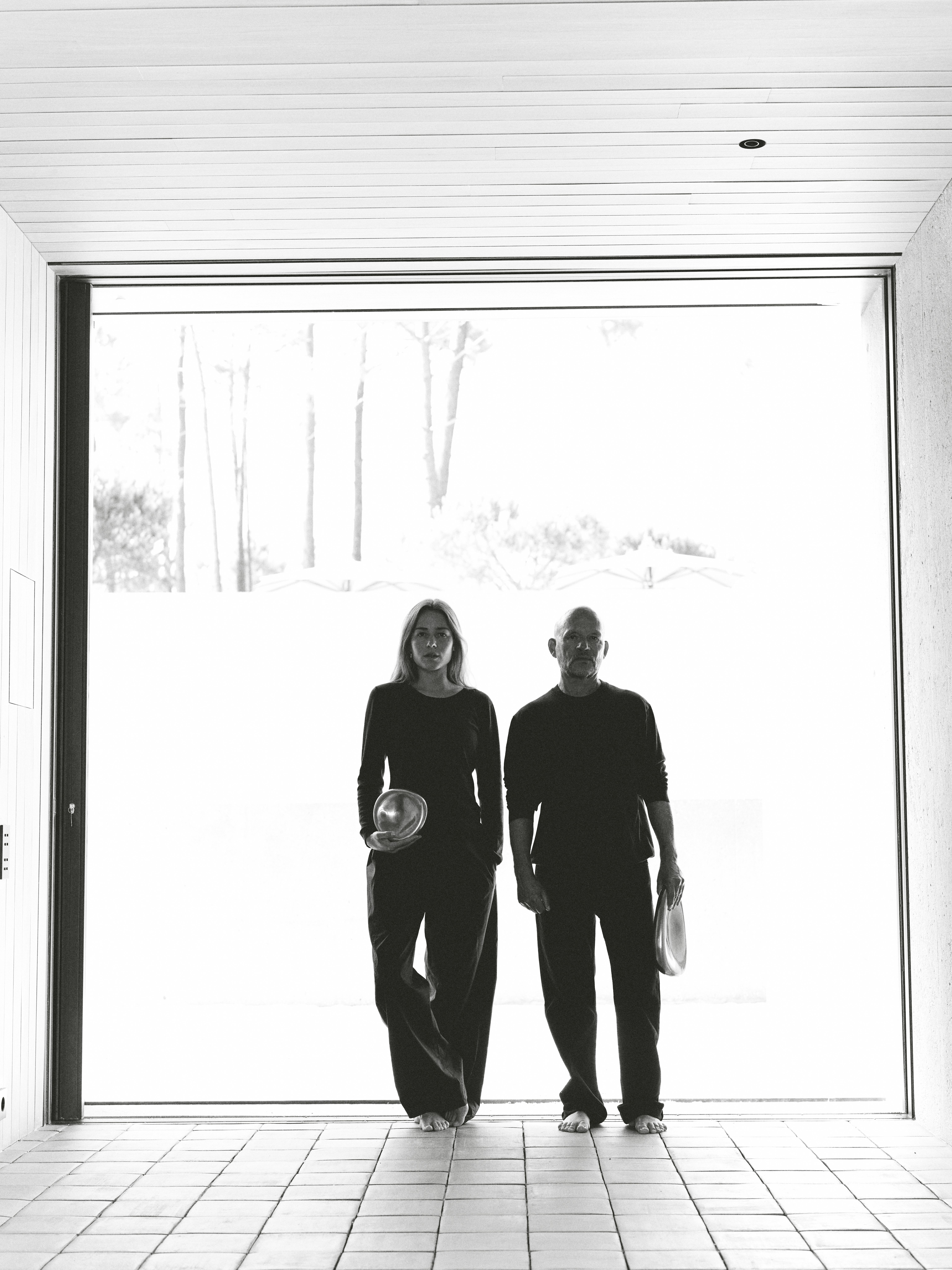
VINCENT VAN DUYSEN
The art of thoughtful design
If you spend time with Vincent you can be sure you’ll leave filled with energy. Every time I’ve met or spoken with him, there’s an undeniable lust for life that radiates around him, a deeply rooted passion for beauty, natural materials, and new challenges.
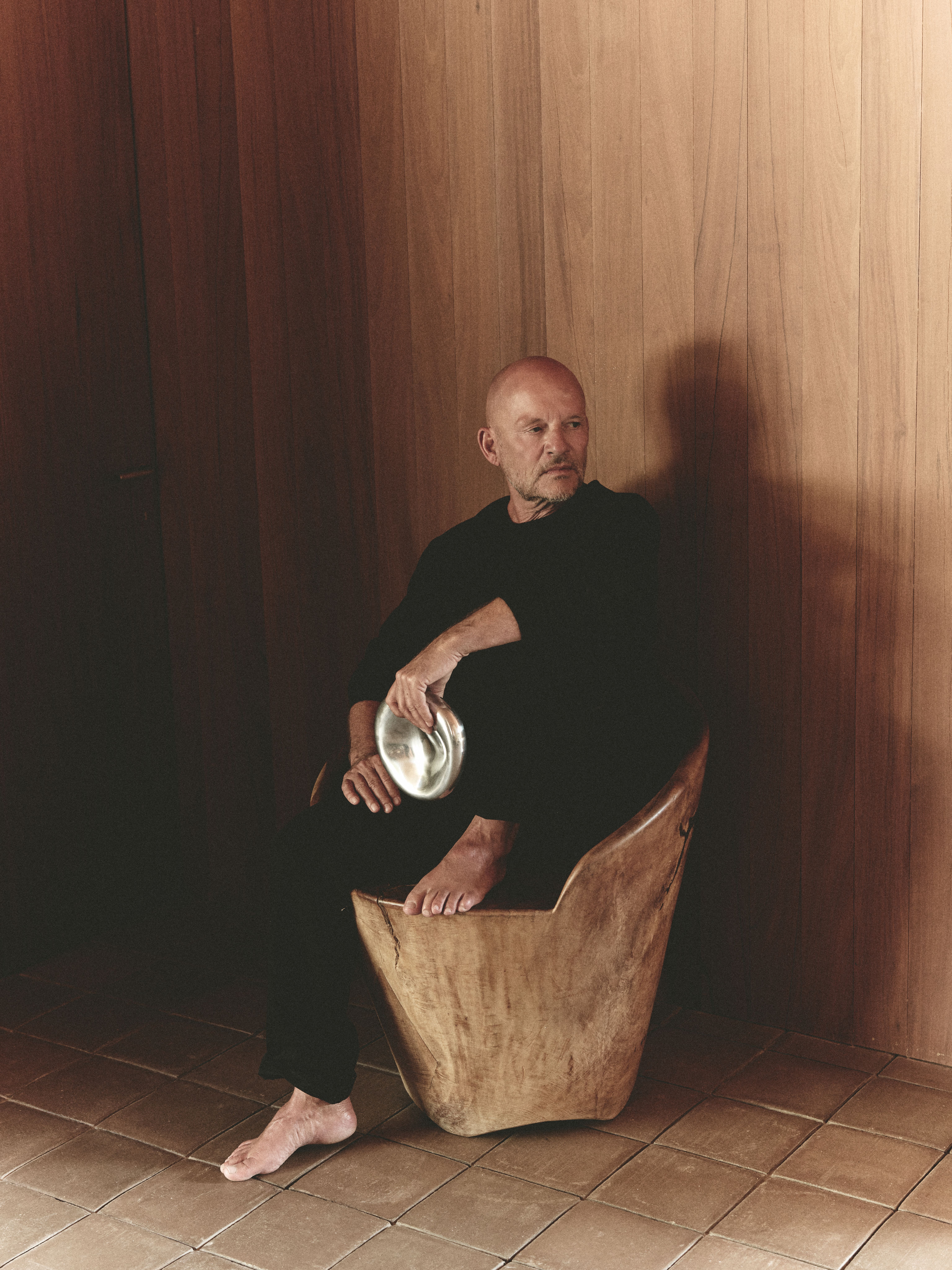
For as long as I can remember, I’ve stayed updated on Vincent’s projects by walking into a space, admiring the design and architecture, and inevitably hearing: “Yes, it’s by Vincent Van Duysen.” It’s fair to say I’ve been an accidental admirer for quite some time. So I was truly flattered when Vincent agreed to share his story here and begin exploring what we could create together.
Object of desire
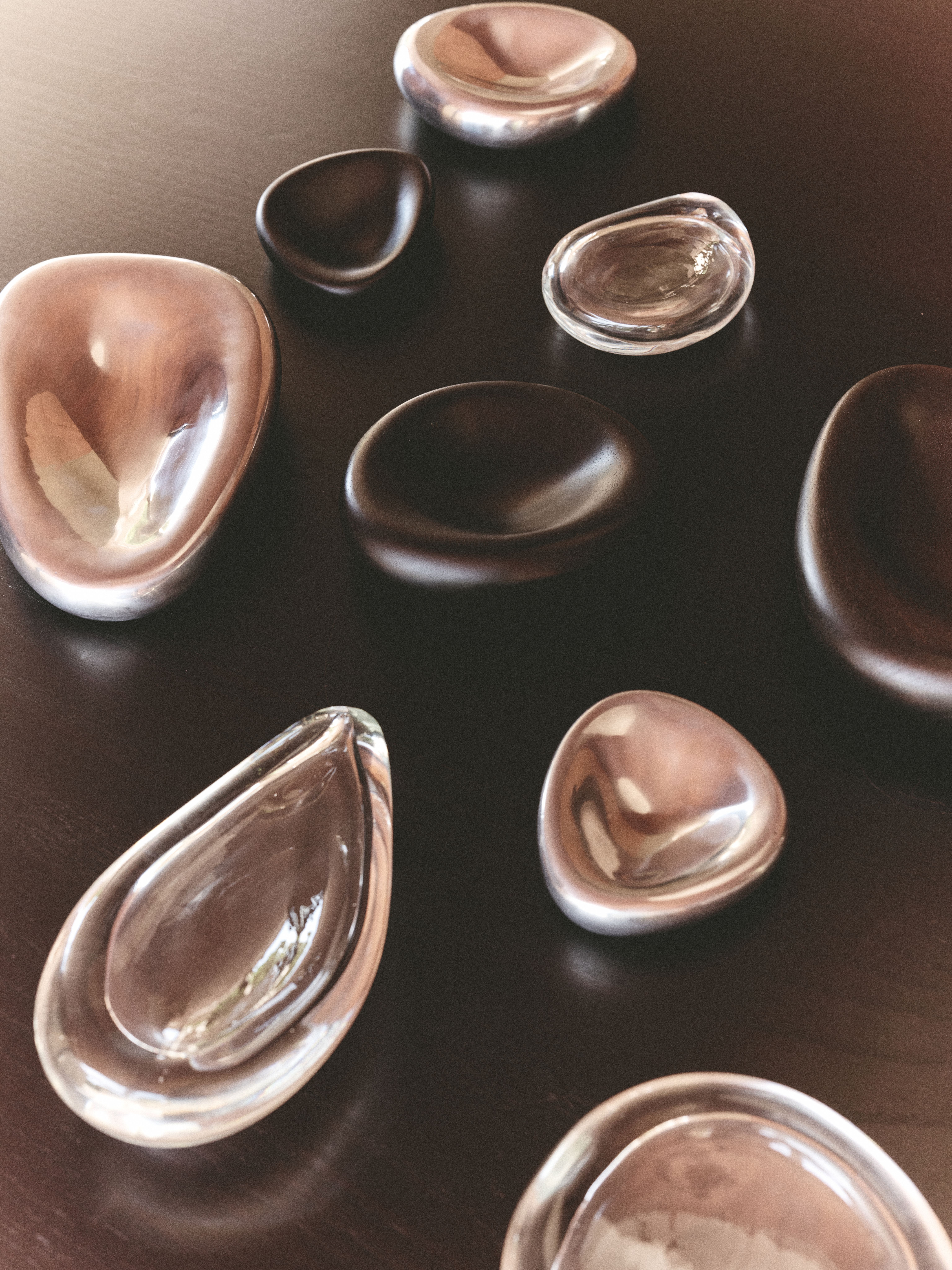
The object would have to be something that fits seamlessly into any of Vincent’s projects, something that feels natural, smooth, and truly an object of desire.
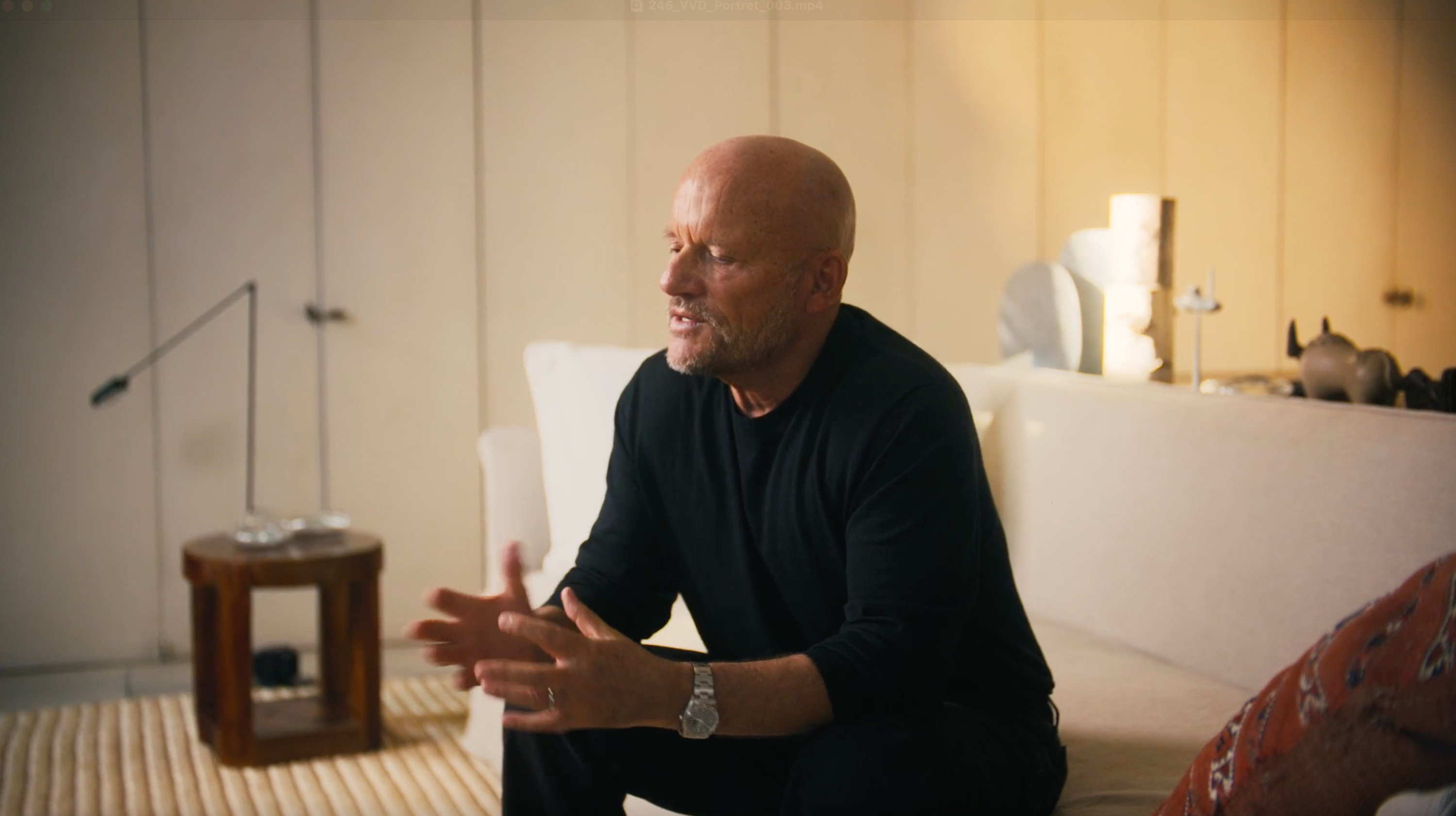
We first met last year in Vincent's home in Antwerp to discover our finished object together. His environment immediately reveals his priorities: light, material honesty, and a purposeful sense of calm. We sit down and talk. Vincent speaks the way he designs: measured, thoughtful, precise.
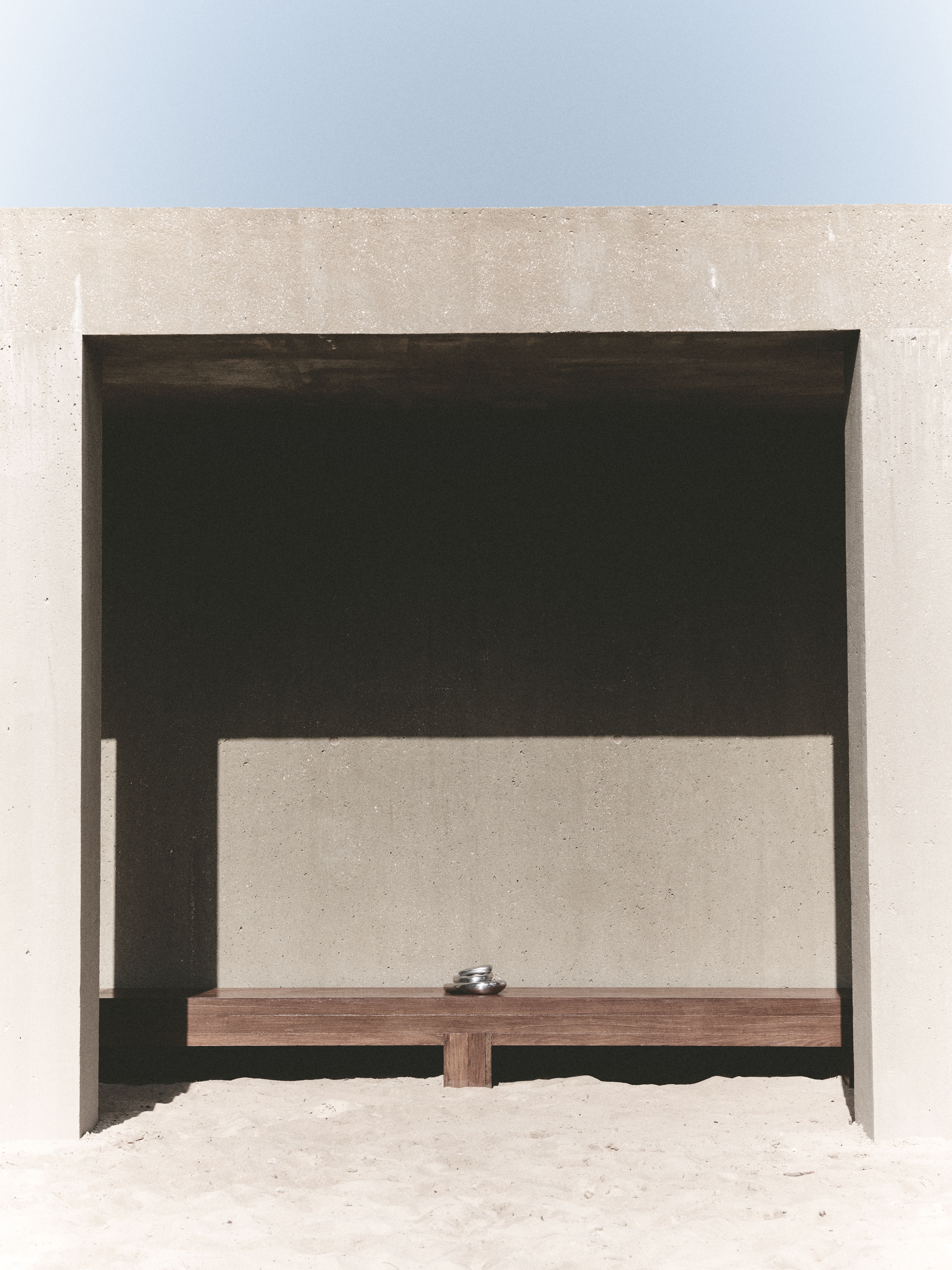
This year, our objects took on a new material, brushed aluminium. We photographed the new pieces at Vincent’s home in Melides.
A childhood surrounded by creativity
A childhood surrounded by creativity
Vincent was immersed in artistic circles from a young age. Architects, sculptors, and painters, who were friends of his parents, opened the door to a world where intellect and creativity existed side by side. His father was deeply oriented toward art, while his mother represented the logic of law. Between these two poles, Vincent found his own voice, exploring dance, drawing, fashion and theatre.
How did those early experiences shape your design approach?
How did those early experiences shape your design approach?
"Being around creative people taught me to observe and appreciate the subtle details, the way materials interact, how a space feels. It wasn’t just about making things beautiful; it was about creating experiences.” After completing his architecture studies in Ghent, he spent two years in Milan, immersing himself in Italian culture and design. “I wasn’t ready to act as a proper architect yet,” he says. “I was much more interested in the art of living.”
You’ve mentioned that one of your most important influences was collaborating with Jean de Meulder. What did you learn from him?
You’ve mentioned that one of your most important influences was collaborating with Jean de Meulder. What did you learn from him?
“He was like the Andrée Putman of Flanders, a person of exceptional taste who understood the pure beauty of materials. I learned about desaturated color palettes, natural woods and stones, Belgian linens, and the understated elegance that doesn’t need to shout.”
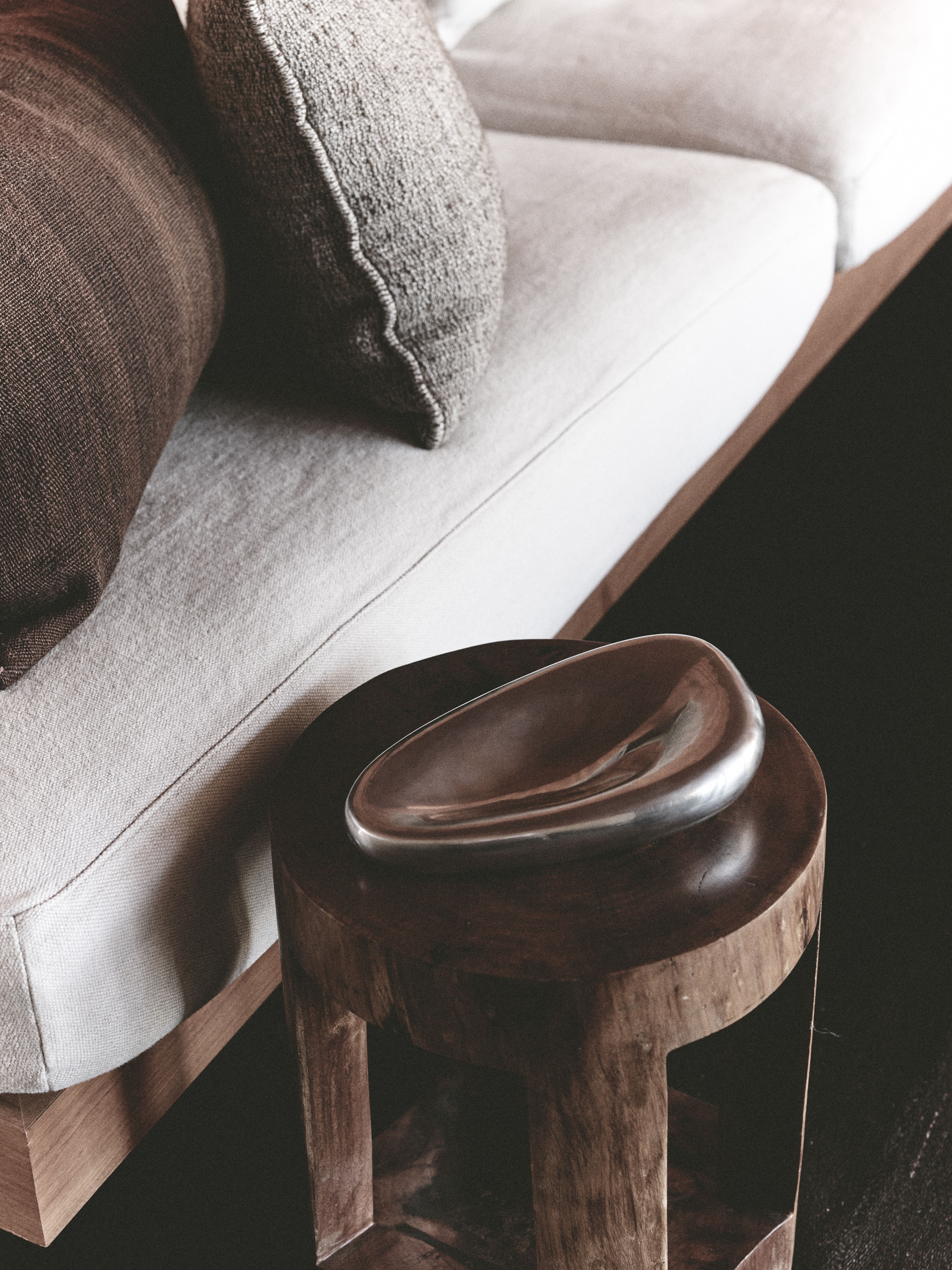
Your work is often described as warm minimalism, calm, timeless, deeply architectural. What defines a Van Duysen space or object?
“It’s not defined by specific objects or materials. Rather, it emerges from a conscious retreat from excess.
The feeling that I want to evoke for my everyday life and particularly in this home is a sense of calmness. I believe like most of my projects, my houses, my sanctuary, it's where I'm trying to disconnect as much as I can.
After returning from Milan, I instinctively moved away from the abundance of colors and forms in postmodernism. I wanted to go back to the essence, to the purity of space and objects. In Belgium, we value integrity and authenticity. That shaped my first home in Antwerp: pure forms, desaturated oak, and materials that age gracefully.
Human touch is essential, I want to see the humanity of the makers, the artisans, builders, and craftsmen. They are part of the architecture as much as the materials themselves.”
Building a Vincent Van Duysen team and brand
Building a Vincent Van Duysen team and brand
Vincent founded his studio around his 30th birthday, roughly 33 years ago. His first home, featured in Elle Decoration UK, introduced a sensual, restrained style that quickly drew international attention. From a single assistant to a team now of around 45, Vincent’s studio has grown without diluting his signature aesthetic
How do you maintain your vision in a team of 45 people?
How do you maintain your vision in a team of 45 people?
“Most of them are experienced people or they have a talent without experience, but they know and they grasp immediately. So everything that's going out in the office still has the signature and the DNA of who I am.”
What is your biggest takeaway in all these years of building a brand, working with a team? What advice would you give to your younger self?
What is your biggest takeaway in all these years of building a brand, working with a team? What advice would you give to your younger self?
“You have to work hard, be passionate, and most importantly, believe in yourself. Many talented people hesitate because of self-doubt. You have to go for it and surround yourself with inspiring people.”
Vincent explains how his world goes beyond architecture. “I'm into art, I'm into fashion, I'm into jewelry and theater, I mean, any kind of forms of art and dance. This is what drew me to the 246 and the idea of making an object together. An object that is related to my world, where it's about working with beautiful materials, where it has to do with sensuality and sensoriality, with tactility, where it's about an object that is three-dimensional, that is derived from the nature, that could be either inspired by a pebble stone or by, you know, it could be a drop of water."
"You have to work hard, be passionate, and most importantly, believe in yourself."
"You have to work hard, be passionate, and most importantly, believe in yourself."
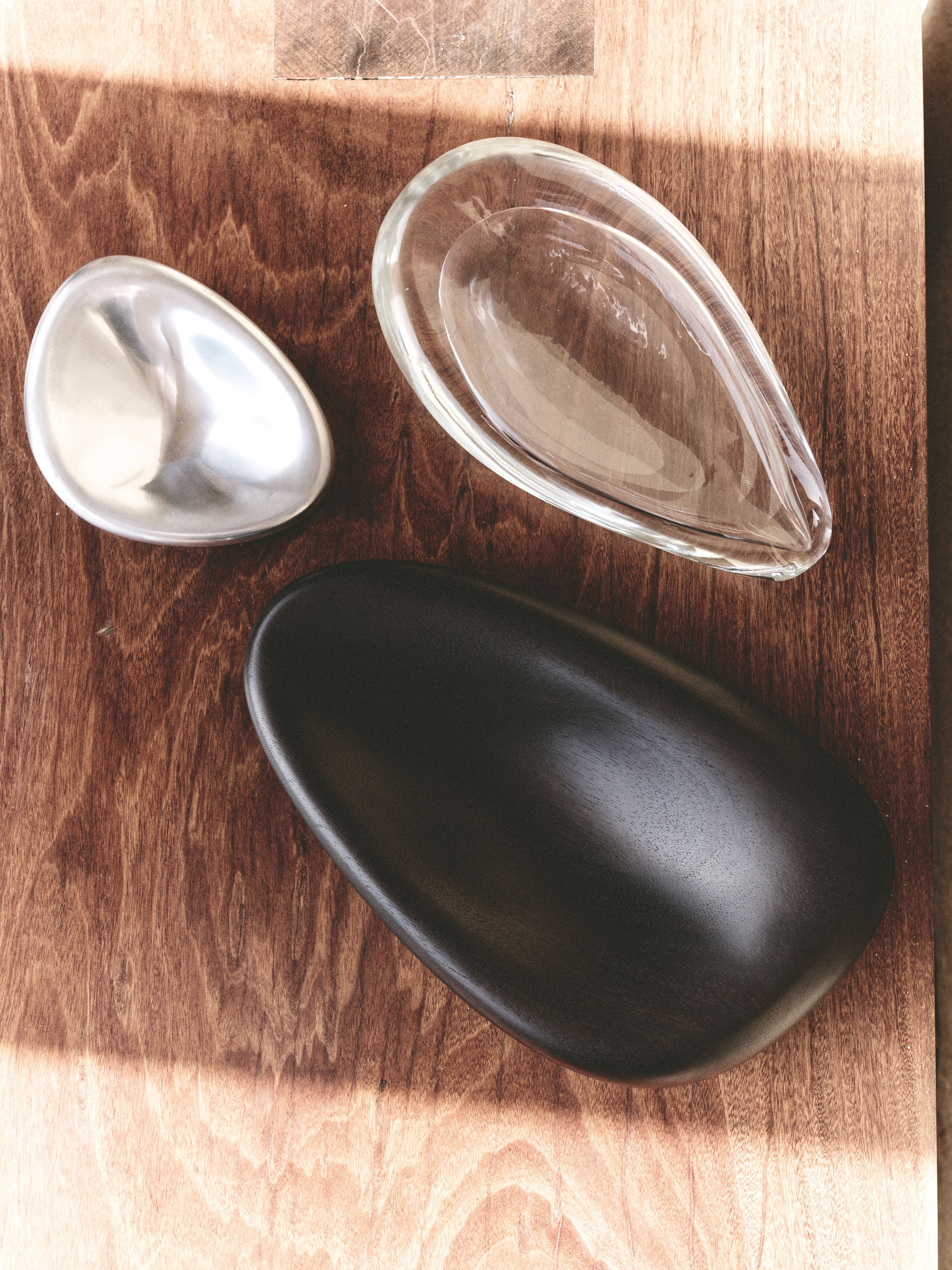
Let’s talk about our creation. Tell us more about the inspiration and story behind our objects.
When you approached me to collaborate, I immediately said yes. I work across many scales, from architecture to objects, and I wanted to create something meaningful that reflects my world: beautiful materials, sensuality, tactility, and a sense of nature.
The object we made feels like a pebble or a drop of water, organic, fluid, genderless. It’s an object you can hold, place anywhere, let it simply exist or carry something precious. For me, it’s poetry in a small object: a jewel not worn on the body, but held in the hand, part of our homes and our lives.
We first explored two materials: hand-blown Murano glass and a very dark polished wood. Glass, in my work, is almost immaterial, there and not there, like a drop of water. Wood is solid and grounded; polishing it introduced a softness that balances the glass. Together they create a kind of yin and yang: light and weight, a duality that reflects how I see nature and form.
In softly sanded aluminium, the object finds a third character: easy in the hand yet solid, catching the light of the room around it.
"For me, it’s poetry in a small object: a jewel not worn on the body, but held in the hand, part of our homes and our lives."
"For me, it’s poetry in a small object: a jewel not worn on the body, but held in the hand, part of our homes and our lives."
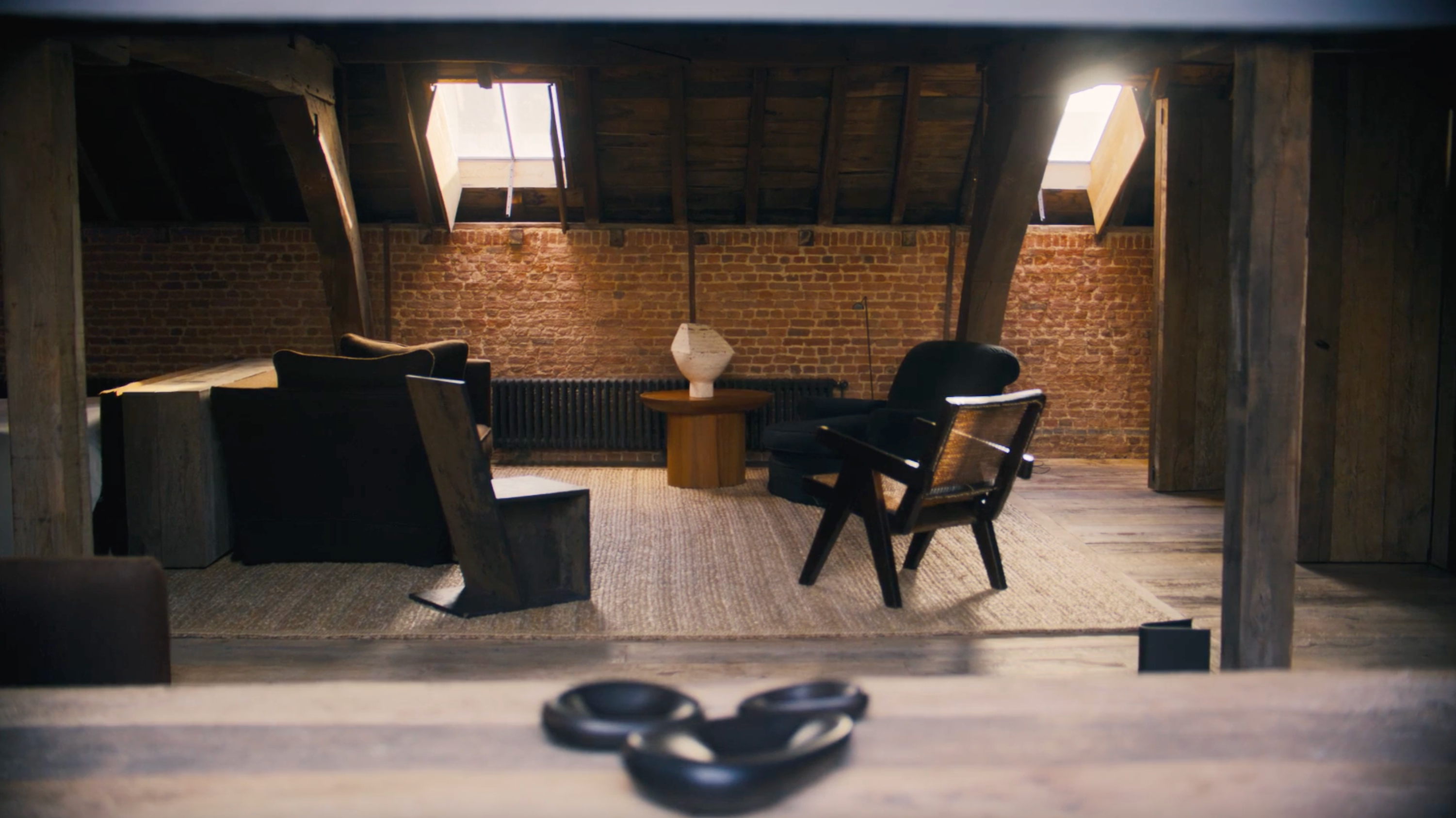
Thinking about all the incredible projects, do you have a standout one or one that you’re closest to?
Thinking about all the incredible projects, do you have a standout one or one that you’re closest to?
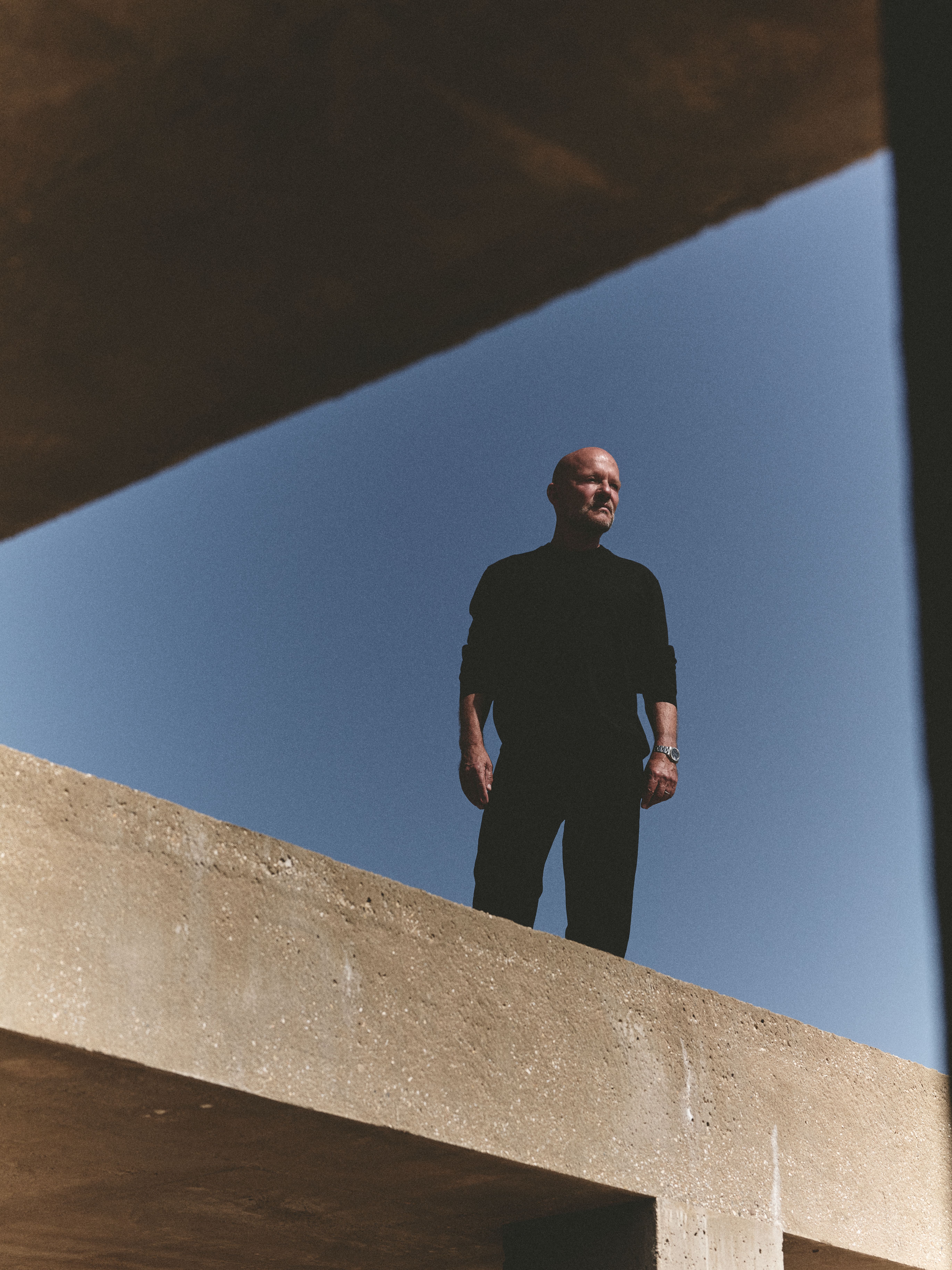
“I would say all of my projects, because each one is truly unique. I see every client as an individual with a distinct personality, and as an architect, you have to listen to that.” If I had to choose one, it would be Casa M, my holiday home in Portugal. It was the most challenging project of my career because I was my own client, starting from scratch in a country that isn’t originally mine. I fell in love with the beautiful area around Comporta, where the force of nature is so beautiful and strong, that I hardly wanted to disturb it.”
Where do you see yourself in ten years?
“I hope I’ll have more time for things I haven’t done lately, like rediscovering my own city, spending more time at my house in Portugal, or diving deeper into photography. I love photography; I’m an observer, very visual, so it’s something I could see myself exploring. But I’ll never quit what I’m doing. The rhythm might be different, but I’ll always be at Van Duysen architects as the creative godfather. It’s what keeps me alive and exactly where I want to be in ten years.”
In every project, you invite us into a quieter, more intentional world; one where material honesty, tactile beauty and emotional clarity converge. Whether shaping a home, designing a candle, or crafting a small object like ours, your work reminds us that good design is not about noise, but nuance.
Before we said goodbye, we wanted to ask you the same question we pose to every artist we collaborate with: since we’re The 246 and not 247, what does your ideal day off look like?
Before we said goodbye, we wanted to ask you the same question we pose to every artist we collaborate with: since we’re The 246 and not 247, what does your ideal day off look like?
My day off is basically locking myself up either in my home in Antwerp with my three dogs or in Portugal. No phone, zero music, absolute silence. And just reading a book or a magazine or whatever, patting my dogs, closing my eyes and meditating. I try to be conscious of my lifestyle. When you work hard, travel constantly, and live seven days a week at full speed, you also need moments of silence and pauses to reconnect.
Thank you for your time and honesty, Vincent, it was a pleasure.
Thank you for your time and honesty, Vincent, it was a pleasure.
The pleasure has been mine, I love to support and stimulate. The TwentyFour Six is an incredible initiative by you where you allow many talents from various angles to express themselves with their own talents within a world that covers all forms of creativity. All of what you do and the people you're working with are creating desirable objects that people want to touch, that people want to hold, that people want to live with. And I think that's what you're doing right, June. I'm here to support The Twentyfour Six and I'm sure you're going to be very successful, and it's going to be fantastic.