YOON SHUN
A Study of Faces and Feeling
This month, we return to the space where art and design meet. Yoon Shun is a Korean artist who has been living and working in Antwerp for the past five years. His work responds to what he feels is missing in today’s design landscape: emotion, tactility and presence.
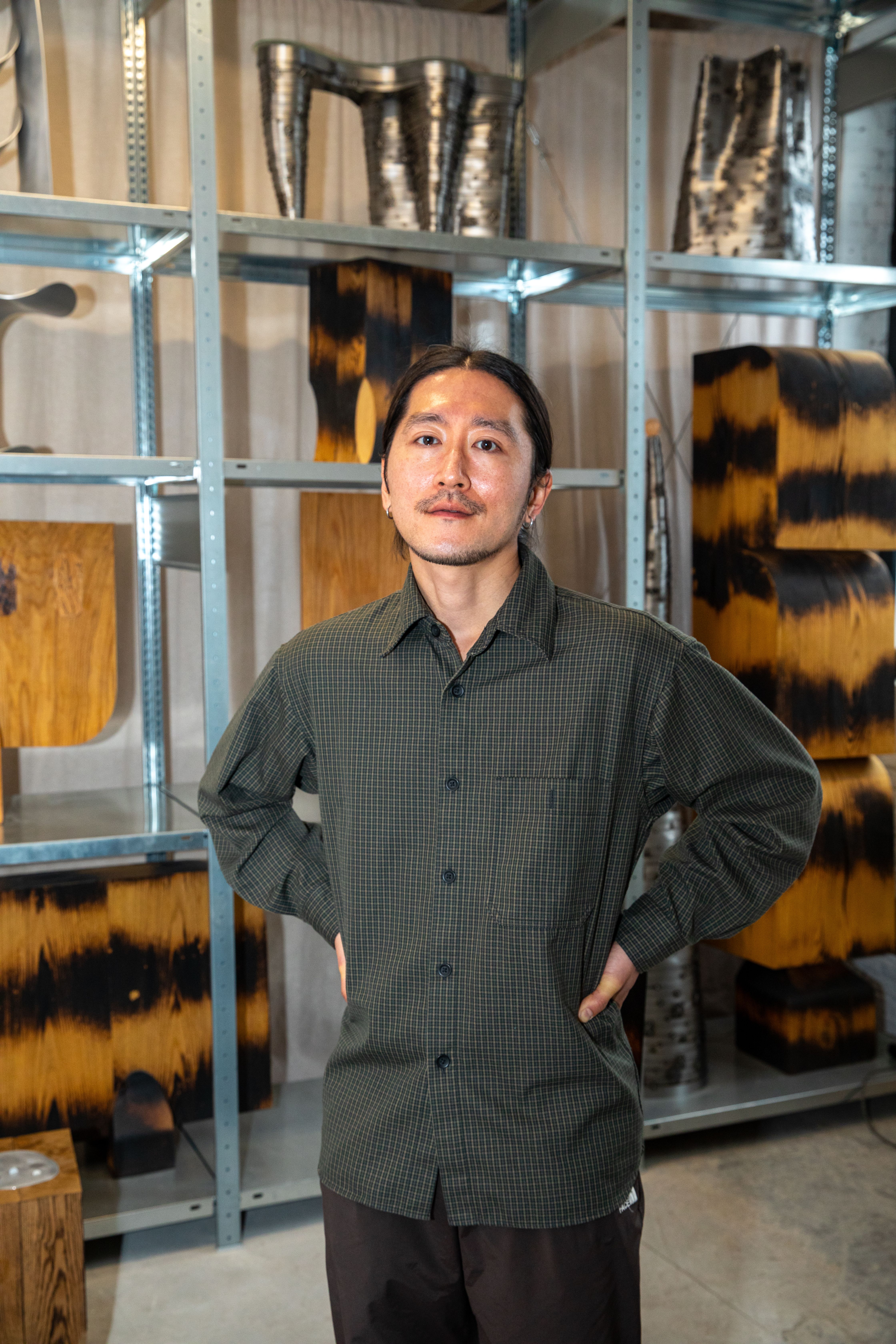
Many know Shun for his large aluminium masks that function as shelves yet stand just as powerfully as autonomous artworks. For The TwentyFour Six, he revisits this iconic form in a new dimension. Twelve faces. Twelve emotions. As he says, “I know most of them.”
Many know Shun for his large aluminium masks that function as shelves yet stand just as powerfully as autonomous artworks. For The TwentyFour Six, he revisits this iconic form in a new dimension. Twelve faces. Twelve emotions. As he says, “I know most of them.”
An unexpected path to design
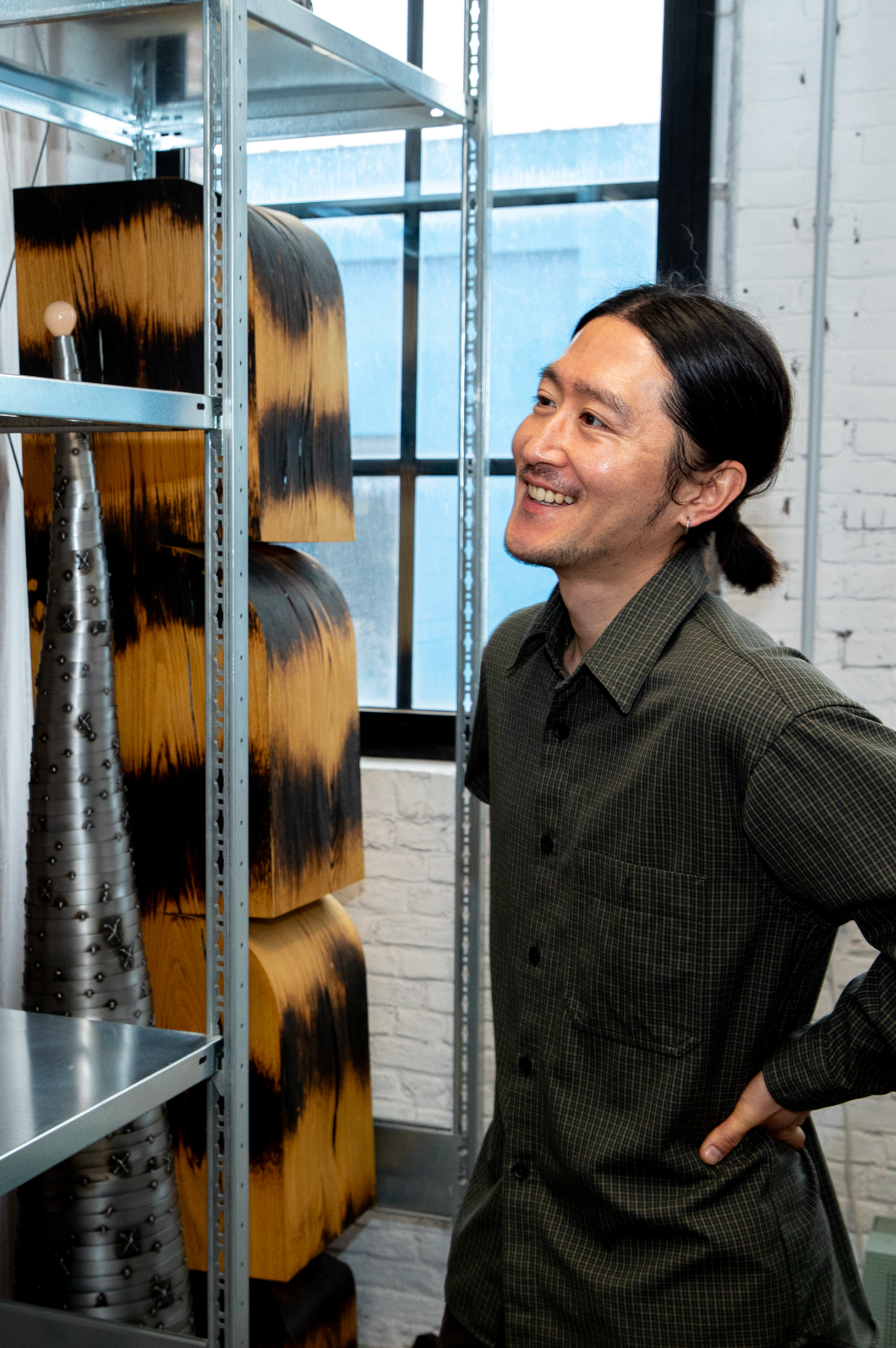
I first encountered Shun’s work through Uppercut Gallery and was immediately drawn to the way he handles wood and aluminium. Materials that feel both industrial and intimate in his hands.
His path into art was anything but conventional. Shun initially believed he had enrolled in a furniture making school in The Hague. Once classes began, he realised the programme focused far more on artistic expression than on producing functional furniture. What started as a misunderstanding became a turning point. He discovered his voice, refined his visual language, and soon galleries began representing his work.
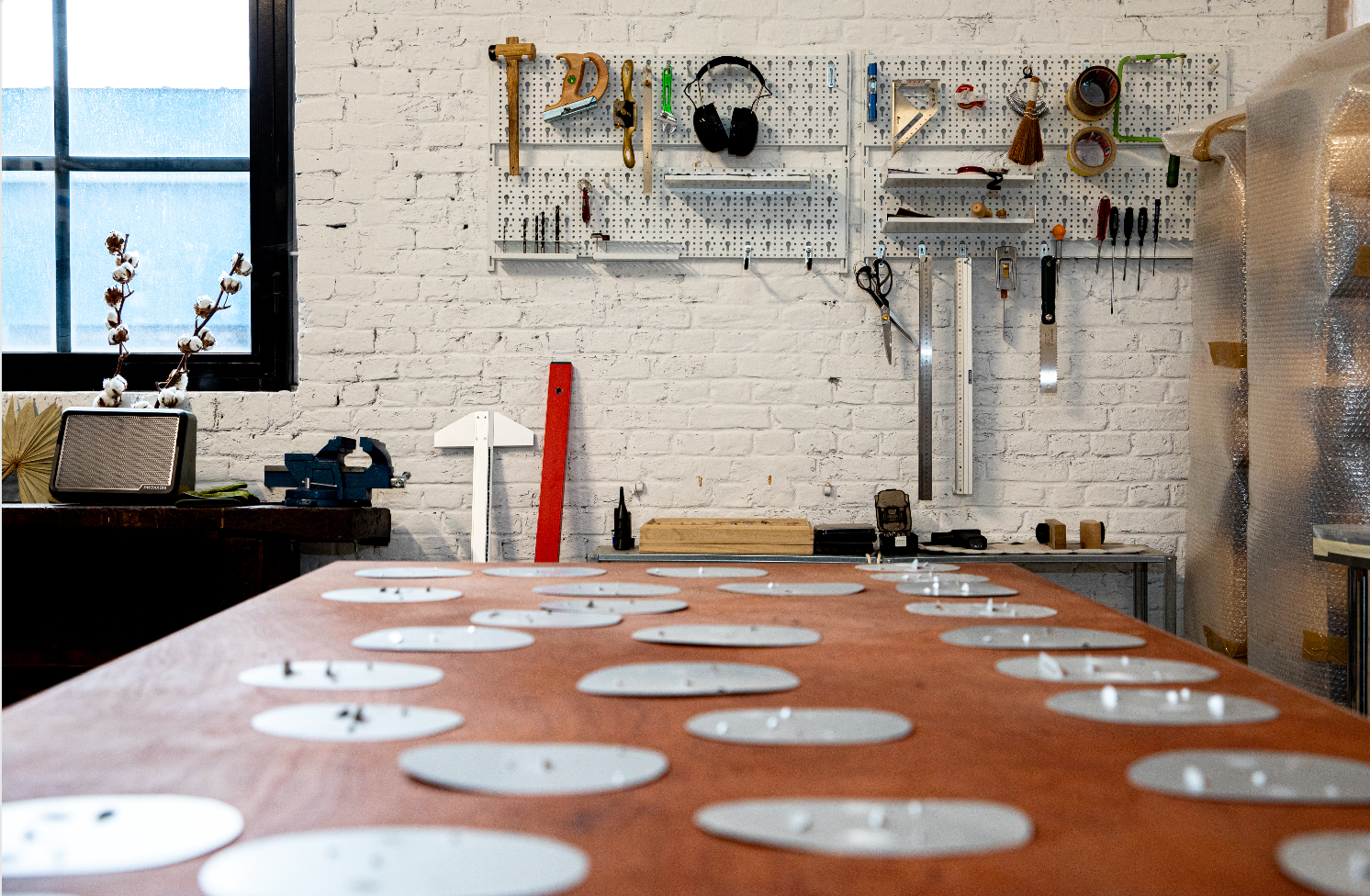
We met in his new Antwerp studio to discuss the series and select the final twelve faces from more than thirty paper studies. Each was chosen for its emotion, its structure and its presence.
I’m excited to reveal this unique series you created for us. Can you tell us more about it?
I’m excited to reveal this unique series you created for us. Can you tell us more about it?
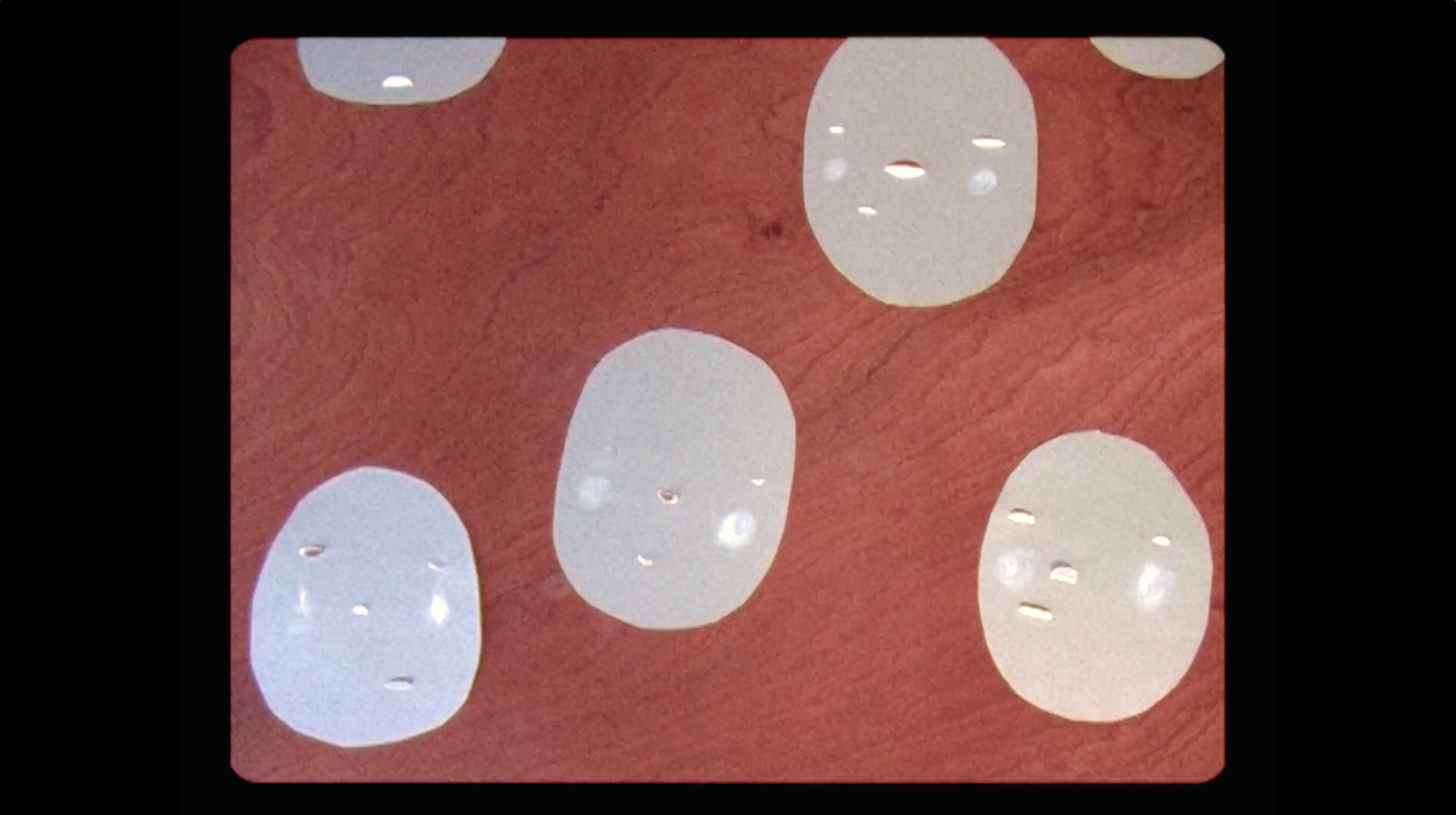
I created twelve different faces because a core element of my practice is the structure of emotion. I like walking around and observing people’s faces. You can read so much information from them. Every element of a face carries a structure that conveys a certain emotion.
Throughout history, the mask has been an intriguing subject for artists because of this structure. In my work, I try to capture that.
Walk us through the process of making this series?
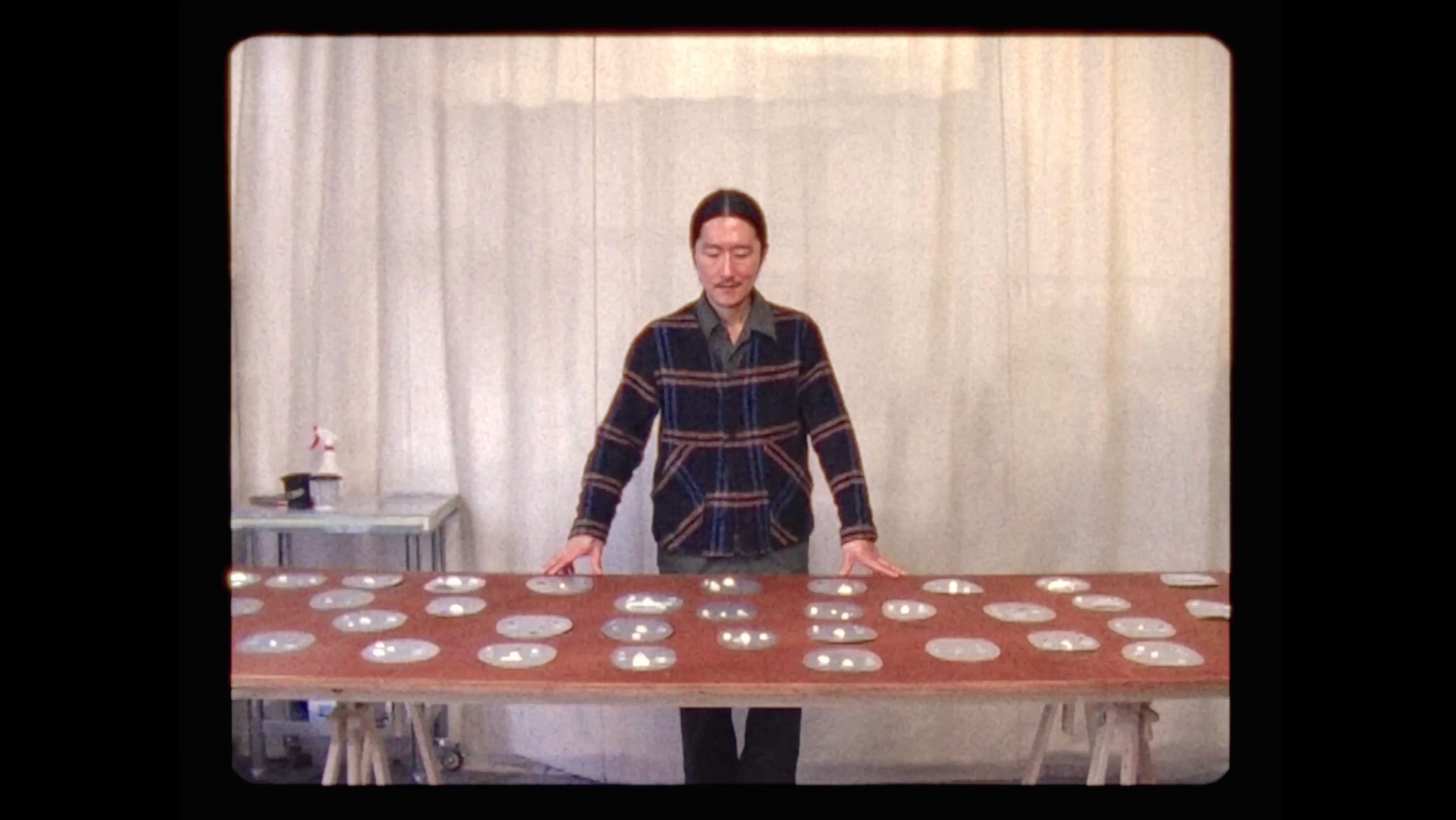
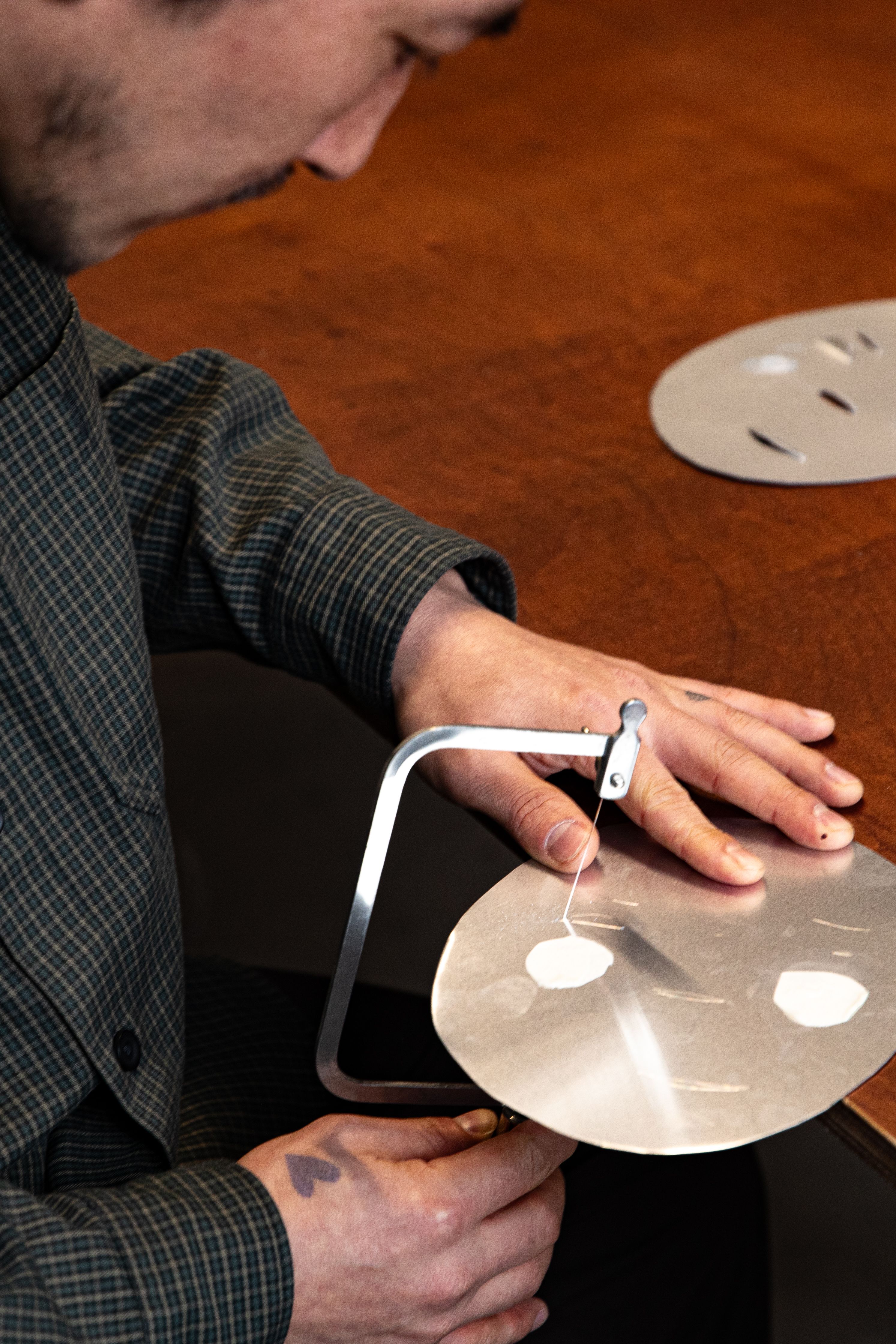
I started by producing many paper models inspired by faces I saw on the street or in photographs of friends. Out of more than thirty studies, we selected twelve for the series I Know Most of Them.
The selection was based on the emotion each face evoked, the feeling, the proportions and the tension in the lines. I have previously made large, individual masks. This time, I wanted to see them together, a set of different faces framed as a collective presence.
Where do you draw your inspiration from?
Where do you draw your inspiration from?
I collect objects that make me happy or stir emotion. I own many pieces of anonymous folk art. Tactility is essential. I like to touch objects and feel their texture.
Markets and streets are a big source of inspiration for me. I am constantly observing and collecting impressions.
Tell us more about the materials you work with.
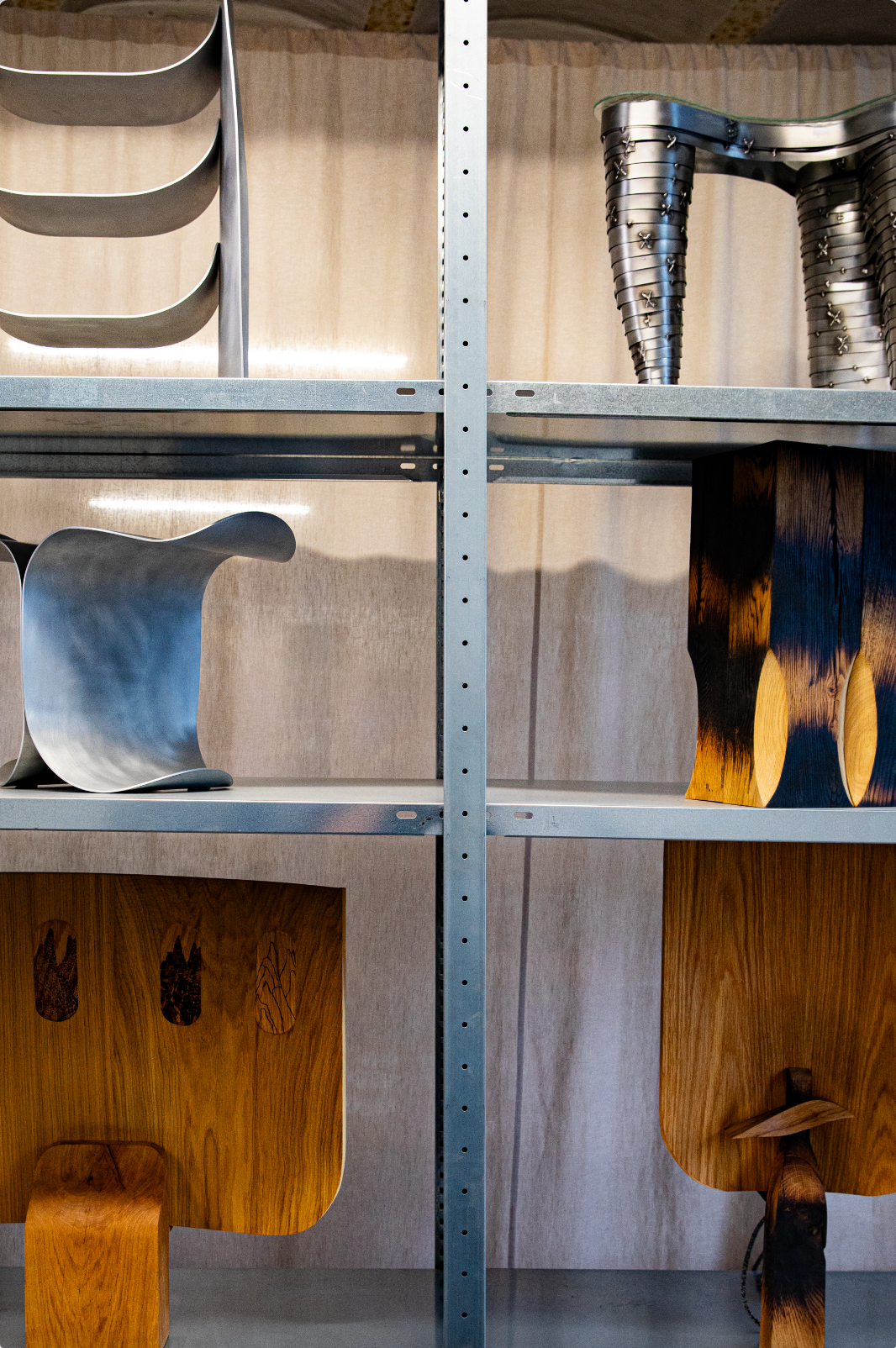
I work mainly with metal and wood. I am drawn to techniques that are rooted in large industries because there is so much knowledge embedded in them. I can learn from that history and reinterpret it within my own narrative.
Metal and wood have accompanied human civilisation for centuries. They are basic materials, yet through texture and treatment they can feel completely different. My choice of material often begins with touch.
Is there another material you would like to explore?
Is there another material you would like to explore?
I am planning a project with granite. Until now, I have worked mostly with thin sheet materials such as aluminium sheets or oak veneer. Lately, I feel drawn to volume, weight and firmness.
Usually, my practice builds structure from bottom to top. Working with stone would reverse that logic. It becomes about carving away mass until an image or form slowly reveals itself.
If you had to give yourself one piece of advice that you truly hold on to, what would it be?
If you had to give yourself one piece of advice that you truly hold on to, what would it be?
Just focus. Keep focusing on what you love to do. My life as a foreigner is not always stable. There are many ups and downs. Sometimes, because of life circumstances, I lose my focus. When that happens, I remind myself to simply do what I love and concentrate on what I am creating
What is a common misconception about your work?
People often ask whether it is design or sculpture. For me, it is about culture rather than discipline. It is about attitude, how I see, how I gesture, how I respond to the moment and the place in which I live and work.
I see myself as a sculptor who, at this point, enjoys making furniture.
What is your ideal day off?
What is your ideal day off?
Being in nature. Surrounded by elements that calm me and allow me to observe quietly and recharge.
With I Know Most of Them, Yoon Shun brings us twelve faces. Twelve silent structures of emotion. Suspended between object and artwork, between design and sculpture. Exactly where we like to be.
Shop the item
 Sold out