SOPHIE WHETTNALL
The Art of Paying Attention
For Sophie Whettnall, making art has always been a way of looking at the world differently. At things we might pass every day without really noticing: the grain of a piece of wood, the movement of a shadow, the way light changes a surface.
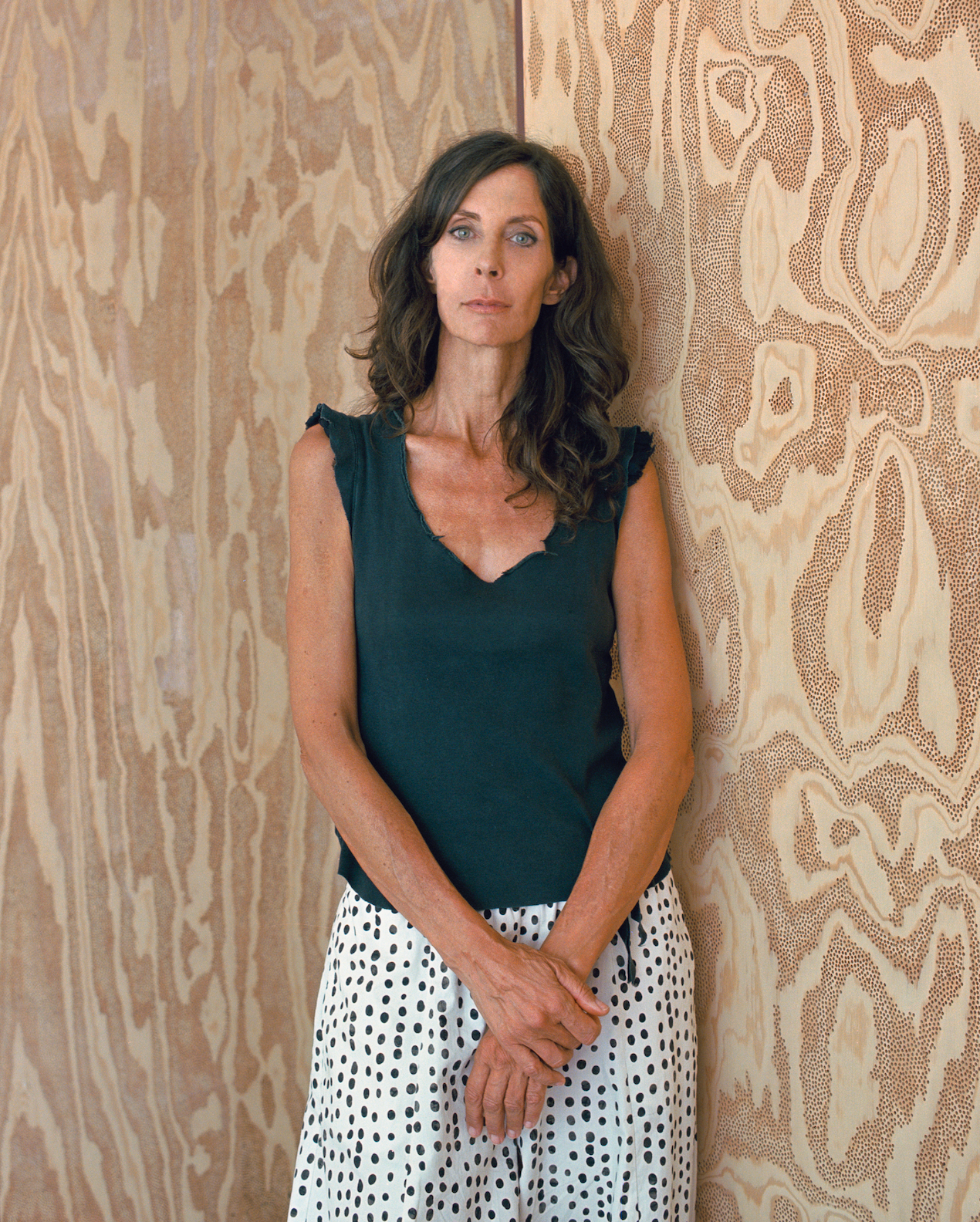
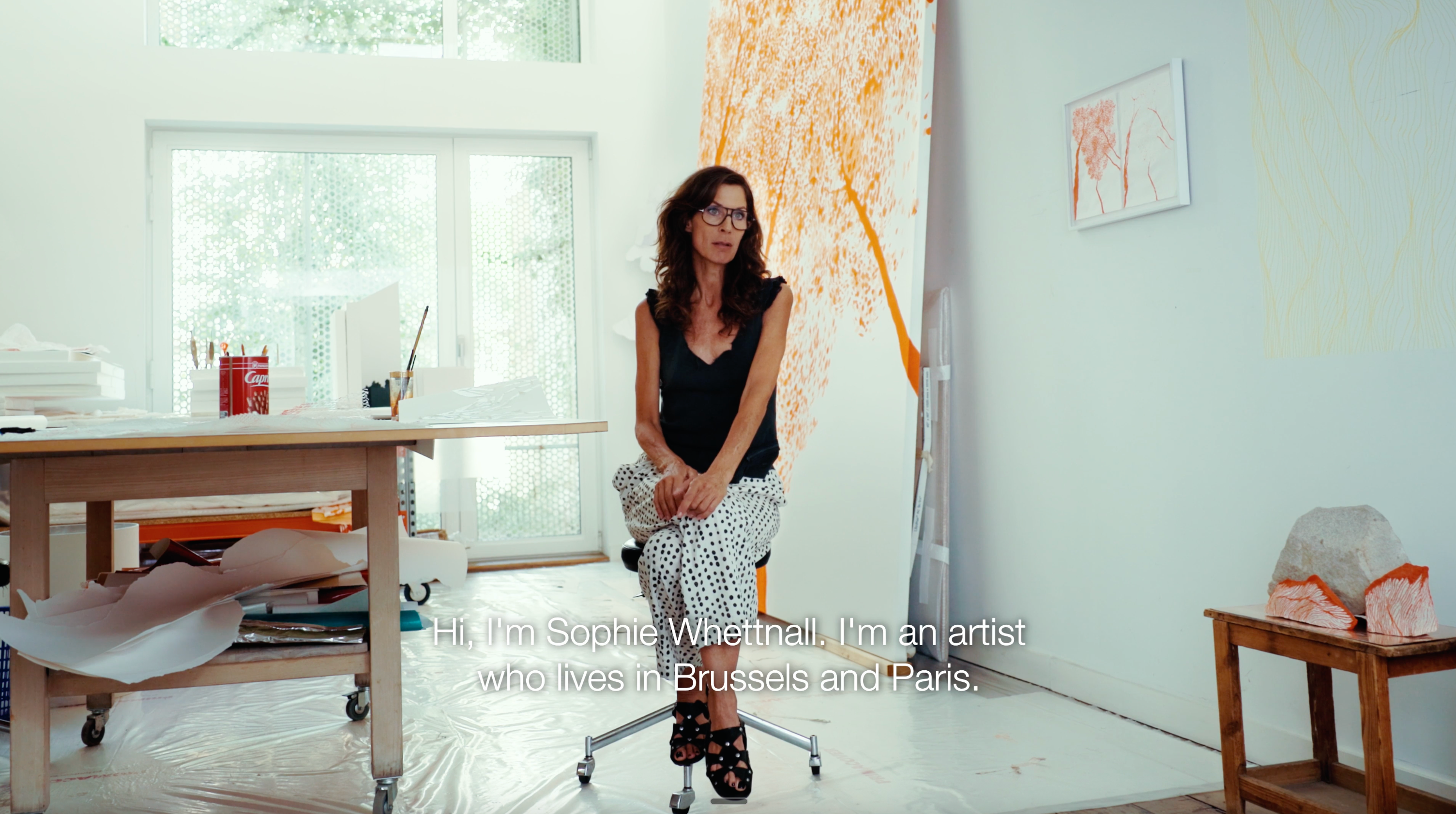
I first visited Sophie in her Brussels studio a few months ago. You enter underneath a large tree into a space she describes as her “den” or “hideaway”, protected from the outside world and filled with wood, paper, drawings and works in progress.
Sophie is a Belgian artist living and working between Brussels and Paris. Her practice moves between drawing, sculpture, video, performance and installation, with nature, light and shadow recurring throughout.
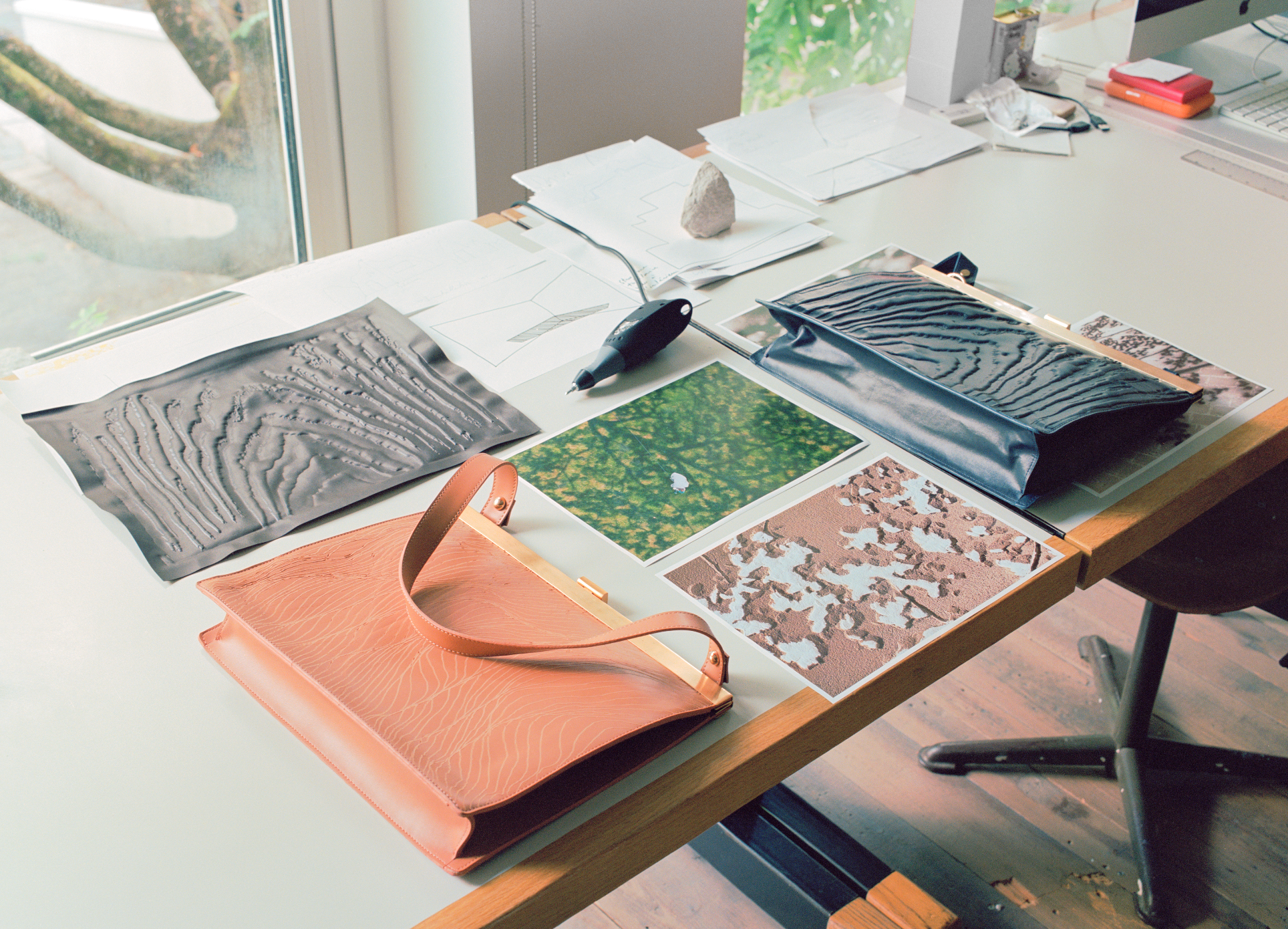
The Computer Bag
I had brought with me the first sample of a leather bag I had designed as “the perfect computer bag”. Sophie’s work was the first thing I thought of when the idea came to mind to add a drawing to the bag, as I’ve admired her as an artist for a long time. When I showed Sophie the bag, she started playing with it and almost immediately knew what she wanted to do.
“Often it happens like that in my work. I have ideas and the medium appears as an evidence.”
In a world of more images, more material and more visibility, Sophie is increasingly interested in the opposite: doing less, looking closer and drawing attention to what is already there.
Finding another vocabulary
Finding another vocabulary
Sophie started creating at a very young age. Growing up, she often felt as though she existed in her own imaginary world and struggled to express herself through language. Painting became another way of communicating.
“I really became an artist because I needed to have another vocabulary.”
She began taking painting classes outside school whenever she could. There, she learned the Martenot technique, painting simultaneously with both hands. Already at twelve years old, the subject she kept returning to was trees.
Noticing the details of nature
“So in a way, I’m not sure I’ve been progressing,” she laughs, looking around a studio where wood and nature are still ever-present. “I’ve kind of been coming back to the same subject.” Forty years later, nature remains at the heart of her work.
Trees, landscapes, wood grain, light and shadow appear again and again, but rarely as direct representations. Sophie is more interested in the patterns and structures found within them, and in how a small intervention can make us notice something familiar differently.
After art school, Sophie spent years travelling between artist residencies, working primarily with film, video and performance. Later, settling into a studio and becoming a mother changed the mediums she worked with, but not the ideas behind them.
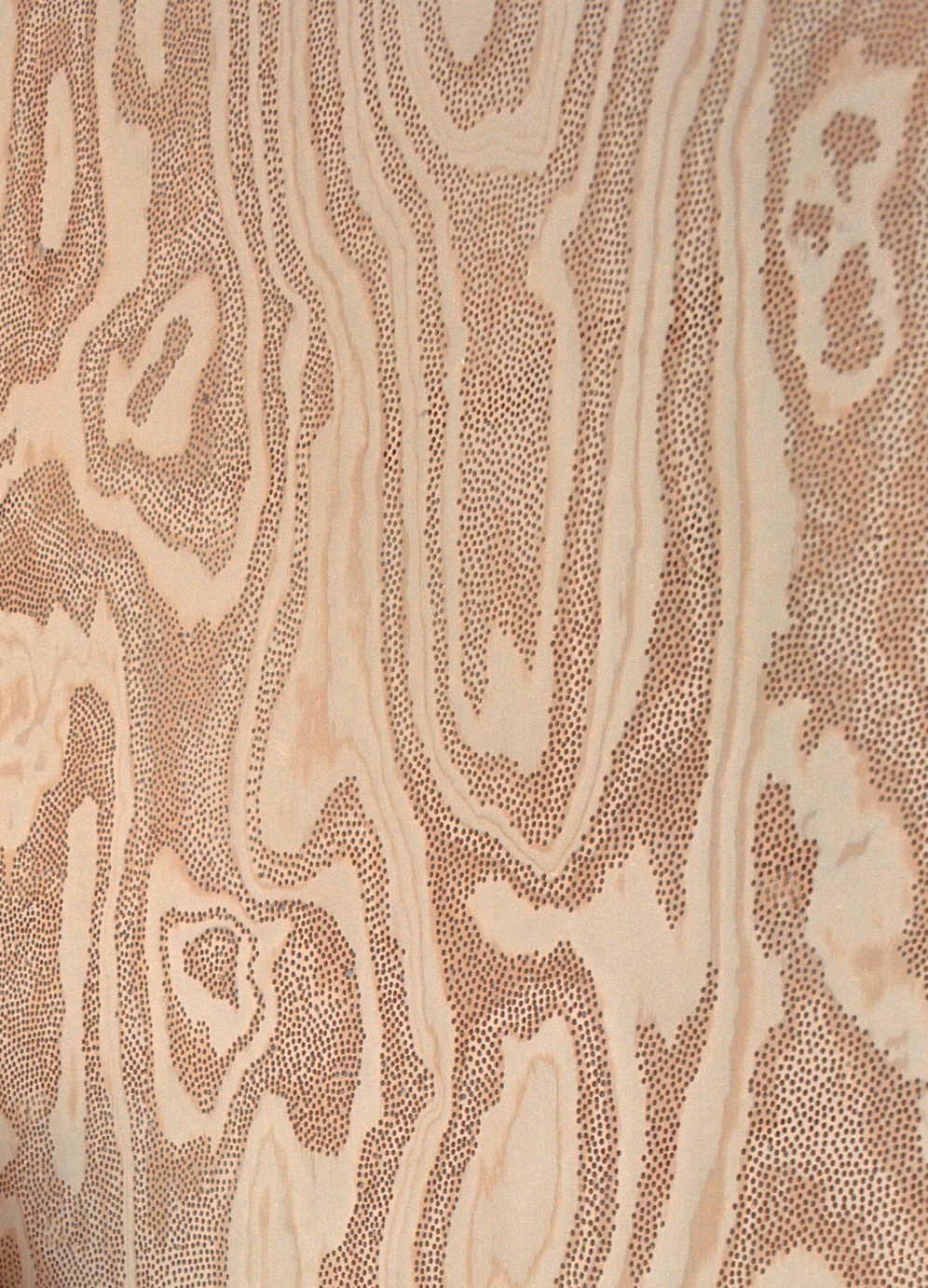
Today, she moves between wood, paper, stone, drawing, sculpture and installation. Many of these works begin with very ordinary materials. In her studio, a simple wooden panel has been transformed through hundreds of drilled holes. As material is removed, the natural grain becomes more visible and light begins to pass through it. The solid wood becomes fragile and almost lace-like.
Patterns that are already there
“I’m interested in things that are part of everyday life and that we might not really see anymore. Through small interventions and transformations, I try to shift the way we look at them and give them a new presence.”
The patterns Sophie looks for are already there: in wood, shadows, landscapes and other familiar surfaces. Her work draws our attention back to them. “There are organic patterns, organic abstractions everywhere around us that we don’t see anymore. You know what they are, but you don’t see them. I want to underline that.”
This interest has increasingly led Sophie towards works that almost blend into their surroundings. A wall drawing might only become visible from a particular position; other works become part of the surface or material they are made from. Rather than demanding attention, her work often reveals itself gradually through light, movement and the material itself. “I’ve been flirting more and more with this invisibility. There are so many images, so much material. I want to do the opposite. I’m trying to do less.”
A Bag To be Used
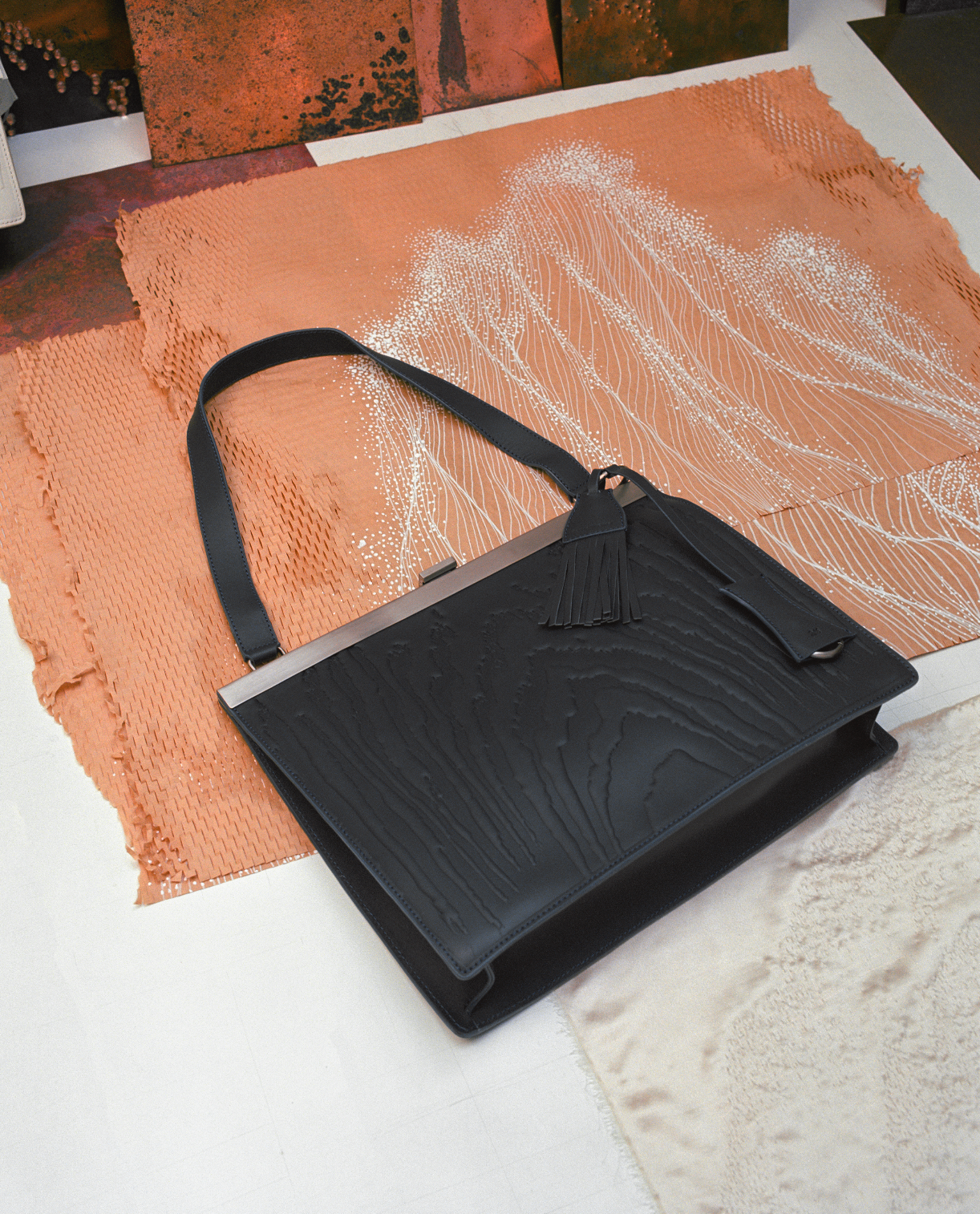
That way of looking at everyday materials became the starting point for our collaboration. When Sophie first saw the bag, she proposed working with a drawing inspired by the natural grain of wood, a material that already plays an important role throughout her practice.
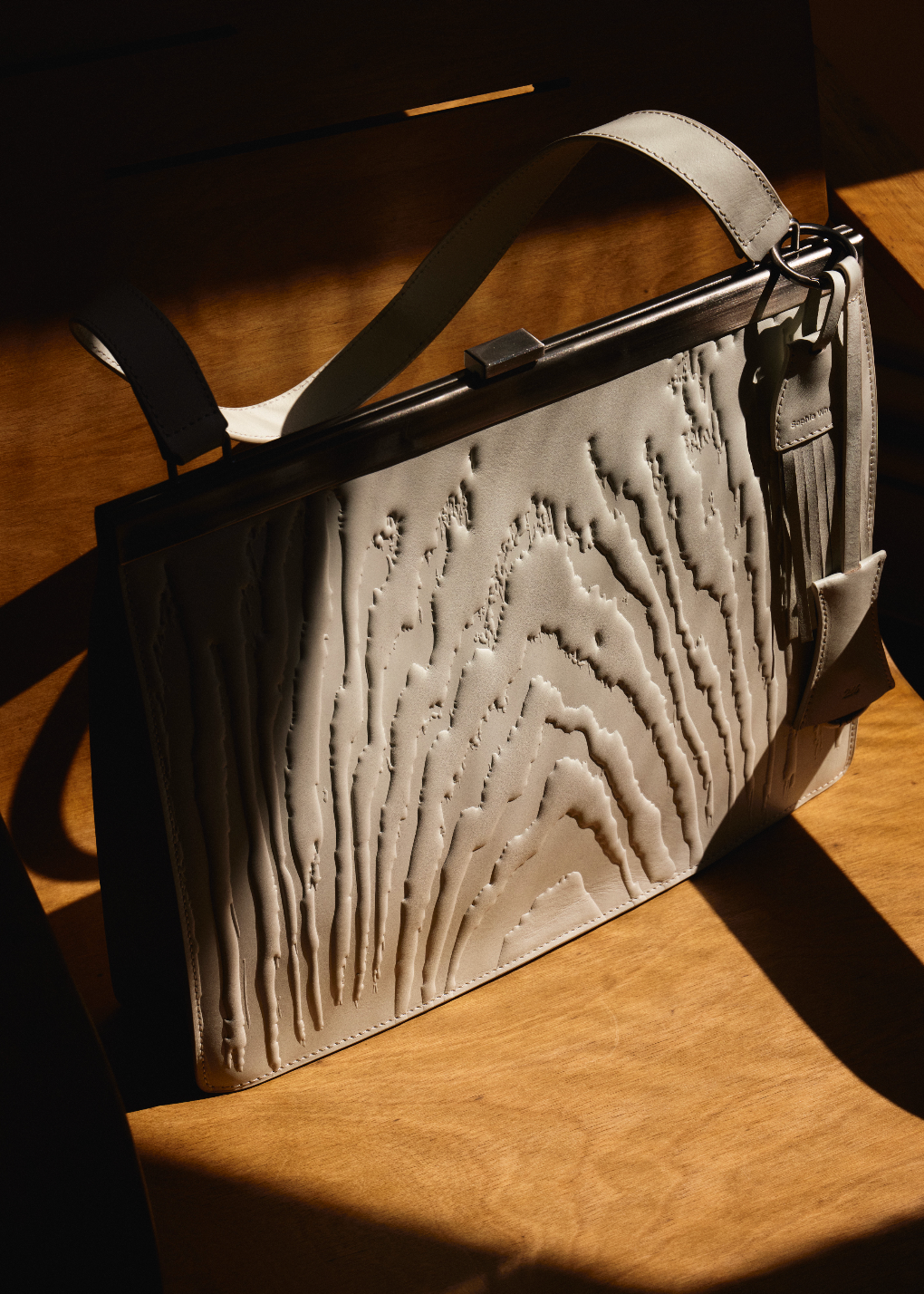
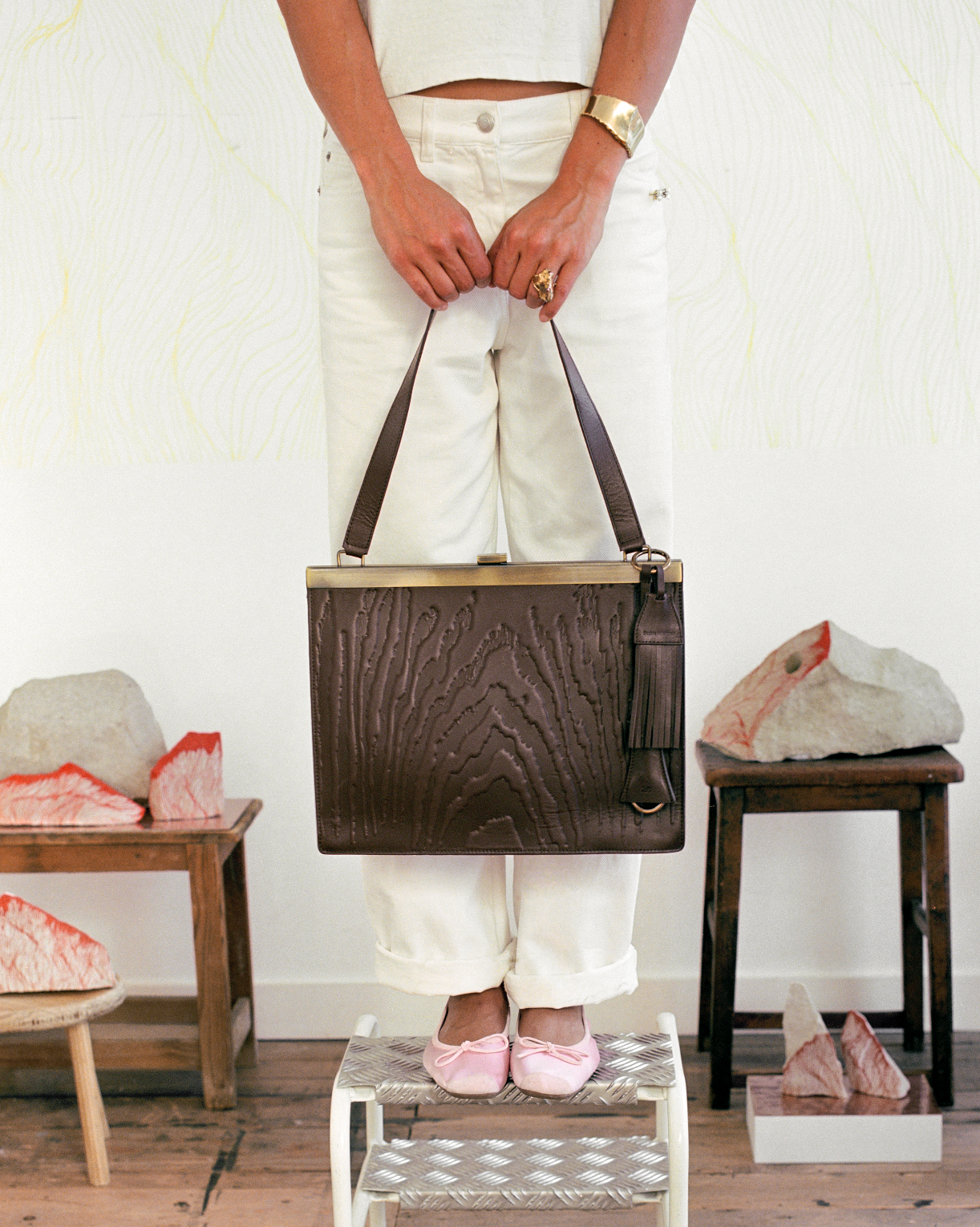
“Why I like wood is that wood contains a natural drawing already. It’s like a map, almost.” Together, we translated that drawing into leather through embossing. Rather than printing an image onto the surface, the pattern is pressed directly into the leather, allowing the drawing to become part of the material itself. The relief means the drawing changes with light and movement. From one angle, it is clearly visible; from another, it almost disappears.
“It’s not an image. It’s a sensation. If you move with the bag, the drawing appears and disappears.” For Sophie, the intention was not simply to place an artwork onto a bag, but to bring an organic element of her practice into an everyday object.
The choice of leather adds to this: as a natural material, it will soften, mark and evolve with use. “I’ve always been drawn to materials that are alive, that transform over time. I like the idea that the bag and the leather will evolve and keep traces of time.”
The six colours approach that relationship with nature in different ways. Browns stay close to the leather itself, while green brings a more direct reference to the landscape. White was less obvious, but became one of the colours Sophie connected with most once she saw the finished piece. “When I saw it finalised, I immediately thought of my icebergs, my sculptures, my paper-cut drawings, this white on white. The way it moves with the light is exactly what I wanted.”
Most importantly, the bag was made to be used. It holds a laptop, travels and becomes part of everyday life. Something you carry with you, that moves with you and gradually becomes yours, carrying the traces of your time and use.
Our Q&A With Sophie
Our Q&A With Sophie
You realised that you were painting trees at twelve and are still exploring many of the same ideas today. What keeps you curious?
You realised that you were painting trees at twelve and are still exploring many of the same ideas today. What keeps you curious?
There is a strong passion inside, a strong desire to transmit an intuition, an idea, a sensation, an experience. It’s a never-ending process. I’ve been doing it for forty years and I’m not tired of it. I will never retire. That’s the beauty of being an artist: you work until the last day, the last minute.
We live in a very difficult, very violent world. I find it complicated to interact with that violence, so I try, through little gestures and transformations, to bring poetry into this world. To bring beauty, peacefulness, time and attention. We don’t pay attention anymore. I believe those small gestures can slow down this crazy run we are all in.
Is there one piece of advice you would give your children, or your younger self?
Is there one piece of advice you would give your children, or your younger self?
Follow your intuition. Have guts, be curious and follow it. Don’t listen to anyone.
What drew you to working with The TwentyFour Six?
What drew you to working with The TwentyFour Six?
Your energy, everybody who surrounds you, your passion. I’m a passionate person, and I think it’s beautiful to collaborate with people you share something with. You were very open-minded to whatever I would propose.
I also connected with the way you work with materials, the craftsmanship, and the desire to do things well, with good quality and time. I don’t often make everyday objects. This is only the second time I’ve done one: I made a jewel, and now a bag with you. For me, it was great to be able to show my work in a different universe.
Since we’re The TwentyFour Six and not The TwentyFour Seven: what does your perfect day off look like?
Since we’re The TwentyFour Six and not The TwentyFour Seven: what does your perfect day off look like?
Waking up late. Going for a walk in the woods, in the fresh air, with those amazing green leaves. And then going to the studio, actually. I love going to my studio. Don’t talk to anyone, shut off my phone and stay there for hours. That’s my perfect day.
